
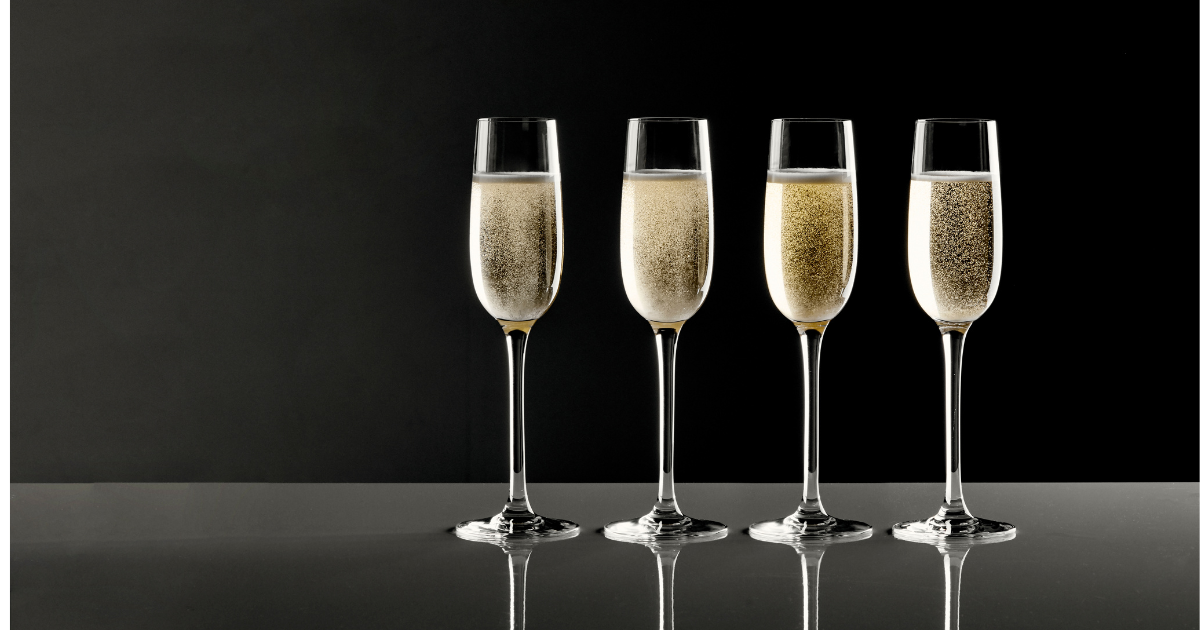
Some of the glassware I use now has been with me for a long time. Not because I set out to make it last decades, but because nothing ever gave me a reason to replace it. It didn’t break. It didn’t suddenly become unsafe. It just kept doing its job.
That’s what made me start thinking differently about how long quality glassware is actually supposed to last. Most conversations about lifespan focus on accidents or defects, but in day-to-day use, glassware usually changes much more slowly than that. The shifts are subtle. A rim that feels a little softer than it used to. A bowl that doesn’t catch the light in quite the same way. Things you only notice if you’ve been using the same pieces for years.
What stood out to me is how uneven that aging can be. Some glasses see constant use and still hold up beautifully. Others barely get touched and seem to deteriorate faster. The difference usually isn’t the glass itself. It’s the habits around it.
This article isn’t about setting a countdown clock on glassware. It’s about understanding what “lasting” actually looks like in real use, and how small, steady habits shape whether glassware ages gently or wears out sooner than it needs to.
What “Lasting” Actually Means for Glassware
When people ask how long glassware should last, they’re often thinking in terms of breakage. Did it crack? Did the stem snap? Did it suddenly fail? In practice, that’s only one small part of the picture.
Most glassware doesn’t fail all at once. It ages. The change is gradual and often cosmetic long before it becomes functional. Rims lose a bit of crispness. Surfaces become slightly less clear. A glass still works perfectly well, but it doesn’t feel exactly the same as it did when it was new.
That’s an important distinction because structural failure and usable lifespan aren’t the same thing. A glass can be structurally sound and still feel worn. It can also show visible wear and remain completely safe to use. Lasting doesn’t mean unchanged. It means remaining dependable.
It also helps to separate aging caused by use from aging caused by stress. Normal use leaves gentle marks over time. Stress concentrates wear in specific places and tends to shorten lifespan more abruptly. Two glasses of the same type can look very different after the same number of years depending on which kind of wear they’ve experienced.
Thinking this way takes pressure off the idea of a fixed lifespan. Glassware isn’t on a timer. It’s responding to how it’s handled, stored, and used. When those factors are calm and consistent, “lasting” often means many years of quiet, uneventful use.
The Typical Lifespan Range With Normal Use
With normal use and reasonable care, quality glassware tends to last much longer than people expect.
Everyday glasses, the kind that get used constantly, washed frequently, and rotated naturally, often hold up for decades. They benefit from movement. Contact points change. Stress doesn’t sit in one place for long. Even when they pick up small marks or dulling, they usually remain fully functional for a very long time.
Fine crystal follows a slightly different pattern. Thin rims and lighter construction mean the margin for stress is smaller, but that doesn’t automatically mean a short lifespan. When fine glassware is handled calmly, stored with space, and not subjected to repeated pressure in the same spots, it can also last for decades. The difference is that fine glassware tends to show signs of wear sooner, even while remaining structurally sound.
Frequency of use matters here. Glasses that are used regularly but gently often age better than glasses that sit untouched for long periods. Long stretches of storage can allow stress from positioning, contact, or environment to accumulate without interruption. In contrast, regular use naturally resets those conditions.
What this adds up to is a range, not a deadline. Ten years is common. Twenty or thirty years isn’t unusual. In some cases, glassware lasts even longer. When pieces wear out early, it’s usually because stress was concentrated in a way that shortened that range, not because glassware has a built-in expiration.
The Role of Daily Habits in Long-Term Wear
Most glassware doesn’t wear out because of one bad decision. It wears out because of small habits that repeat quietly.
How glasses are washed matters. How they’re set down to dry matters. How often they’re stacked, nested, or placed rim-down matters. None of these actions feel risky in the moment, but over years, they shape where stress concentrates and how surfaces change.
What’s tricky is that these habits usually come from convenience, not carelessness. Setting a glass in the sink instead of the counter. Letting it air-dry upside down because it feels tidy. Reaching for the same glass every time because it’s closest. Each choice is reasonable on its own. Together, they create patterns.
This is why wear often looks uneven across a set. One glass dulls faster. Another develops a rougher rim. The difference usually isn’t the glass. It’s how that particular piece was handled day after day.
If you want a deeper breakdown of the most common habits that quietly shorten lifespan, Daily Habits That Slowly Damage Glassware walks through them in more detail. The goal isn’t to eliminate habits, but to notice which ones repeat often enough to matter.
Longevity isn’t about doing everything right. It’s about avoiding the same small stress in the same place over and over again.
Seasonal and Environmental Effects on Longevity
Glassware often seems to age in bursts rather than at a steady pace, and seasons play a role in that.
Changes in humidity and temperature don’t damage glass directly, but they change how glassware dries, how residue behaves, and how storage environments feel over time. In drier months, glasses tend to dry fully and predictably. In more humid seasons, moisture lingers longer, cabinets hold damp air, and small residues have more opportunity to stay active instead of settling.
Seasonal shifts also affect how glassware is used. Entertaining patterns change. Dishwashers run more often at certain times of year. Storage habits adjust without much thought. All of that subtly alters stress patterns.
What matters most is awareness rather than intervention. Noticing that certain months feel harder on glassware helps explain why wear sometimes appears uneven year to year. Making small seasonal adjustments, like allowing extra drying time or spacing glasses out a bit more during humid periods, is usually enough.
If you want a deeper look at how different times of year influence care habits, Seasonal Care Tips for Glassware and Barware explores those shifts in more detail.
Why Some Glassware Fails Early Despite “Good Care”
Sometimes glassware wears out or fails even when it feels like you’ve done everything right. That can be frustrating, especially when other pieces seem to last indefinitely under the same roof.
Design plays a role. Thin rims, tall stems, and lightweight bowls all trade durability for elegance. Those choices don’t make a glass fragile in everyday use, but they do reduce how much repeated stress it can tolerate before wear becomes noticeable. Two glasses can be cared for the same way and age very differently simply because they’re built differently.
Use context matters too. A glass that’s always used for the same purpose, stored in the same spot, and handled in the same way experiences very consistent stress. That consistency can shorten lifespan even when habits are careful. Meanwhile, a glass that gets rotated through different uses and positions may age more slowly because stress never concentrates in one place.
There’s also the reality of invisible history. A glass may have been stressed earlier in its life before it came into your care. Small manufacturing variations, shipping stress, or early handling can all affect how a piece ages later, even if current care is excellent.
Early failure doesn’t mean care was wrong. It usually means the margin for stress was smaller than expected. Understanding that helps avoid overcorrecting habits that are otherwise working well.
Inspection as Part of Longevity, Not Fear
Regular inspection isn’t about looking for reasons to discard glassware. It’s about staying familiar with how it feels and behaves over time.
Small changes are easiest to notice when you’re not worried about them. Running a finger gently around a rim. Noticing whether a glass sounds or feels different when set down. These moments don’t take long, and they don’t need to happen often. They just keep you in touch with the glass as it ages.
Inspection also helps separate cosmetic wear from functional issues. Many marks, softening, or surface changes don’t affect safety at all. Others, like sharp chips or spreading cracks, are clearer signals to retire a piece. The more familiar you are with what’s normal for your glassware, the easier those calls become.
What matters is cadence, not intensity. Occasional, calm checks tend to extend usable life because they catch issues early, before stress concentrates further. If you want guidance on how often inspection actually makes sense and what to look for, How Often Should You Inspect Glassware for Damage? walks through that without turning it into a checklist.
Inspection works best when it’s low-pressure. It’s another way of staying attentive without becoming anxious.
When Aging Is Normal (And When It Isn’t)
Some aging is simply part of using glassware over time. Rims soften slightly. Surfaces lose a bit of their original sharpness or brilliance. These changes are gradual and usually even across the piece. They don’t affect how the glass functions, and they don’t mean anything is wrong.
Normal aging tends to feel consistent. A glass still feels balanced in the hand. The rim isn’t sharp or jagged. There are no areas that catch unexpectedly or look stressed compared to the rest of the piece. This kind of wear is closer to patina than damage.
What’s worth paying attention to is uneven change. A rim that feels rough in one spot but smooth elsewhere. A faint line that wasn’t there before. A stem that feels slightly loose or strained. These signs suggest stress has been concentrated rather than distributed.
That doesn’t always mean a glass needs to be retired immediately. It does mean it’s worth adjusting how that piece is used or stored. Sometimes removing it from stacking, rotating it more often, or changing how it’s dried is enough to slow further wear.
Aging becomes a problem when it changes how the glass behaves, not just how it looks. Being able to tell the difference keeps decisions calm and proportional.
Setting Realistic Expectations by Glass Type
Not all glassware is built to age the same way, even with identical care.
Thick everyday glasses are usually the most forgiving. They distribute stress well, tolerate frequent washing, and handle minor bumps without issue. With normal use, they often last decades with little more than cosmetic change.
Thin-rimmed stemware trades durability for feel. These glasses are more sensitive to repeated stress and tend to show wear sooner, especially at the rim. That doesn’t make them short-lived. It just means their aging is more visible and their margin for error is smaller.
Specialty or decorative pieces often fall somewhere in between. They may not be used often, but long periods of storage can introduce their own stresses if positioning or environment isn’t ideal. Their lifespan depends less on use and more on how calmly they’re stored.
Understanding these differences helps set expectations that are fair to the glass. Longevity isn’t about making every piece last forever. It’s about letting each type age in a way that matches how it’s built.
Longevity Is a Pattern, Not a Deadline
Glassware doesn’t come with an expiration date. It responds to patterns.
The glasses that last the longest usually aren’t the ones that were handled with extreme care. They’re the ones that lived in calm conditions. Enough space. Predictable handling. Time to dry fully. Regular use that kept stress from settling in one place.
When wear shows up, it’s usually the result of a pattern that’s been repeating quietly. That’s good news, because patterns can be adjusted without overhauling everything else.
Longevity isn’t about freezing glassware in perfect condition. It’s about letting it age slowly and evenly, without unnecessary stress shortening that process. When habits support that, quality glassware often lasts far longer than expected, and the question of “how long should this last?” becomes less urgent over time.