
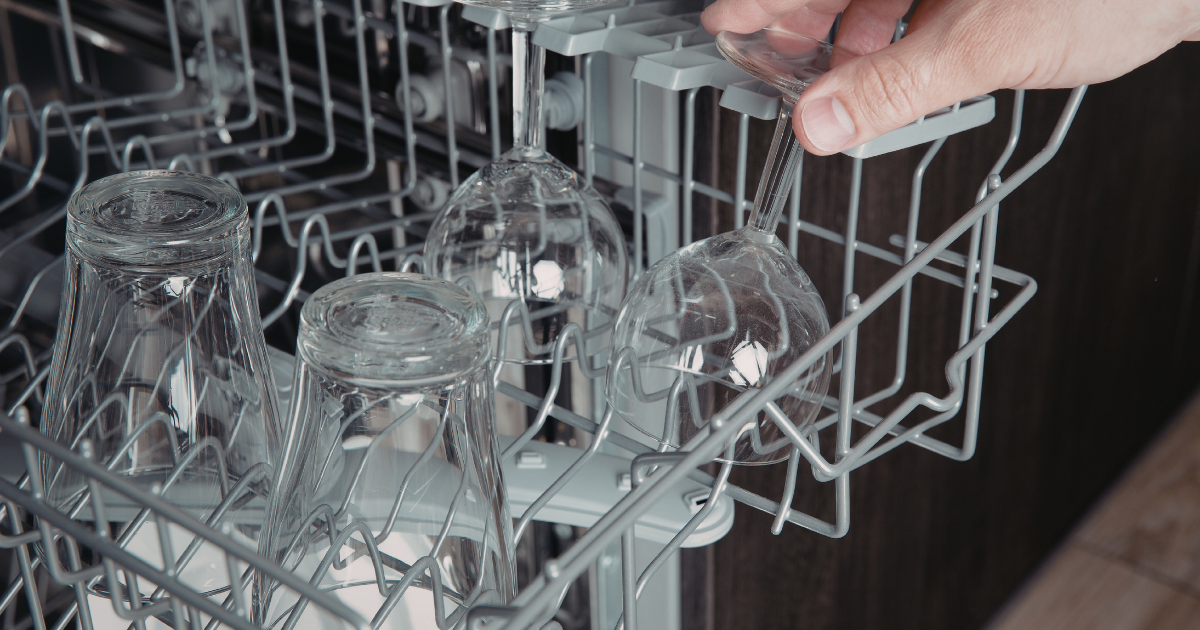
I own and regularly use crystal glassware, and like most people who care about it, I’ve had the same question come up more than once. Is it actually safe to put crystal in the dishwasher, or is that one shortcut that quietly ruins it over time?
What makes this question tricky is that damage from dishwashers is rarely dramatic. Crystal usually does not crack or shatter the first time it goes through a wash cycle. Instead, changes tend to appear gradually, often so slowly that it is easy to miss until the glass no longer looks or feels the way it used to. Clarity softens, rims lose their crispness, and the surface can take on a dull or hazy look that does not wash away.
That slow pace is why the answer to whether crystal is dishwasher safe is not a simple yes or no. It depends on how the dishwasher is used, how often the glassware is washed, and what kind of wear you are willing to accept over time. In my experience, most problems are not caused by a single mistake but by repeated exposure to the same stresses.
This article looks at what actually happens to crystal in a dishwasher, which risks are cosmetic versus structural, and how to decide whether dishwasher use makes sense for your own glassware. The goal is not to scare you away from ever using modern conveniences, but to give you a clear, realistic understanding of the tradeoffs involved.
What Makes Crystal Different From Regular Glass
Crystal is still glass, but it is not made the same way as everyday drinking glasses. The difference comes from the minerals added during production, which change both how crystal looks and how it behaves over time.
Traditional crystal contains lead oxide, while many modern crystals use other minerals to achieve similar clarity and weight. In both cases, these additives make the glass softer and more workable than standard soda-lime glass. That softness is what allows crystal to be thinner, more resonant, and more optically clear. It is also what makes it more vulnerable to wear.
Because crystal is softer, its surface reacts more readily to abrasion, chemical exposure, and repeated heat changes. Tiny amounts of material can be removed from the surface without leaving visible scratches. Over time, this gradual loss is what leads to dullness, etched areas, or softened rims rather than obvious cracks or chips.
Crystal is also more sensitive to its edges. Thin rims and cut details are areas where material loss shows first. Even gentle contact repeated many times can round those edges in a way that does not happen as quickly with thicker, harder glass.
None of this means crystal is fragile in the sense that it will fail immediately. It is often quite strong in normal use. The key distinction is that crystal ages through surface change, not sudden breakage. Understanding that difference is essential before looking at how dishwashers introduce stress and why the effects tend to accumulate slowly rather than all at once.
How Dishwashers Actually Stress Crystal
A dishwasher does not damage crystal in a single, dramatic way. Instead, it combines several small stressors that add up over repeated cycles.
The first factor is water temperature. Dishwashers use hot water, often hotter than what most people use for hand washing. Crystal tolerates heat reasonably well, but repeated heating and cooling causes subtle expansion and contraction. Over time, this can contribute to surface fatigue, especially along thin rims and cut details.
The second factor is mechanical movement. Even when glasses appear stationary, dishwashers vibrate throughout the cycle. Water pressure, spray arms, and pump activity all create small movements. When crystal pieces are close together, this vibration can lead to micro-contact that slowly wears the surface. This is one reason damage often shows up first where glasses touch racks or each other.
The third factor is chemical exposure. Dishwasher cycles expose crystal to detergent for much longer than hand washing does. The glass is soaked, sprayed, and then often left sitting with residue during the drying phase. Over time, this prolonged contact can contribute to surface changes, especially when detergents are aggressive or used in excess. This gradual chemical wear is explored in more detail in Can Dishwasher Detergent Permanently Damage Glassware?
Finally, dishwashers apply these stresses consistently. Hand washing varies from day to day. Dishwashers repeat the same conditions over and over. That consistency is what makes the effects cumulative. A single cycle rarely causes visible harm, but dozens or hundreds of cycles slowly alter the surface in ways that cannot be reversed.
This combination of heat, motion, and chemistry explains why crystal often looks fine for a long time and then seems to decline all at once. The change was happening gradually the entire time.
When Dishwashers Are Most Likely To Cause Damage
Dishwashers are not equally risky in every situation. Most long-term damage to crystal happens under a fairly predictable set of conditions, especially when those conditions repeat over time.
Frequent washing is the biggest factor. Crystal that goes through the dishwasher occasionally often looks fine for years. Crystal that is cleaned this way after every use ages much faster. The surface simply does not get enough recovery time between cycles, and small changes compound. This is one reason everyday crystal and special-occasion crystal tend to age very differently even when they come from the same set.
Loading matters more than most people realize. Tight spacing increases the chance of glass-to-glass contact during vibration. Even light contact repeated hundreds of times can soften edges and create dull contact points. Crystal that rests against metal rack supports can also wear unevenly where it touches the rack, especially along the bowl and stem junctions.
Detergent strength and formulation also play a role. Highly alkaline detergents, excess dosing, or using detergents designed for heavy cookware increase chemical stress on the glass surface. While this does not usually cause immediate visible damage, it accelerates surface etching and clarity loss. This is why some crystal looks cloudy long before it ever chips or cracks.
Drying cycles add another layer of stress. Extended heat during drying keeps the glass hot after the wash phase ends, lengthening exposure to residue and temperature extremes. Over time, this can worsen both surface dulling and rim wear. The way moisture is handled after washing is often more important than the soap itself, a point explored further in Why Drying Method Matters More Than Soap Choice.
Finally, older dishwashers or poorly maintained ones tend to be harsher overall. Inconsistent temperatures, stronger spray pressure, and less precise detergent control increase variability and wear. Crystal does best under gentle, controlled conditions, and older machines are less predictable in that regard.
Taken together, these factors explain why some people use dishwashers with little visible issue while others see noticeable decline. The difference is rarely luck. It is usually habit.
Cosmetic Changes vs Structural Risk
One of the most helpful distinctions to make with crystal glassware is the difference between how it looks and how safe it is to use. Dishwashers primarily affect appearance long before they create any real structural concern.
The most common cosmetic change is clouding or dullness. This is not a film that can be washed away. It is a permanent alteration of the surface caused by gradual material loss and microscopic etching. Once clarity is reduced, it cannot be restored. The glass is still intact, but it no longer has the crisp transparency it once did.
Another visible change is rim softening. Thin crystal rims can slowly round over from repeated contact, vibration, and chemical exposure. This usually happens evenly and without sharp edges. While it changes the feel of the glass on the lips, it does not automatically mean the glass is unsafe.
Surface wear can also show up as faint scuffing or uneven sheen, especially where the glass contacts racks or other glasses. These areas may look worn but are typically stable. They are signs of aging, not failure.
Structural risk is much rarer and usually presents differently. Cracks, chips, or sharp fractures are not typical results of dishwasher wear alone. When they do occur, they are more often caused by impact, sudden temperature shock, or improper loading rather than gradual washing damage.
In practical terms, most dishwasher-related damage to crystal is aesthetic and permanent, not dangerous. Understanding that distinction helps avoid unnecessary worry and makes it easier to decide how much wear you are willing to accept. Some owners prioritize preserving clarity at all costs. Others accept visual aging in exchange for convenience.
That decision is personal, but it should be informed by what changes actually matter and which ones are simply signs of use.
Situations Where Dishwasher Use May Be Reasonable
Despite the risks, there are situations where using a dishwasher for crystal can be a reasonable choice, especially when expectations are realistic and care is taken.
Occasional dishwasher use is very different from routine cleaning. Crystal that only goes through the dishwasher a few times a year is unlikely to show noticeable change for a long time. The cumulative effects that lead to dullness and rim wear depend on repetition. Reducing frequency reduces impact.
Cycle selection also matters. Shorter wash cycles with lower temperatures are gentler overall. Avoiding extended drying phases limits heat exposure after the wash is complete. In practice, this means the wash itself often matters less than how long the glass stays hot afterward.
Proper spacing is critical. Each piece should be loaded so it cannot touch another glass or shift during the cycle. Stemware should be stable, upright, and isolated. If a glass can move at all, vibration will eventually take a toll.
Value and purpose play a role as well. Everyday crystal used for casual meals may tolerate more wear than heirloom or sentimental pieces. In my own use, I am far more conservative with glasses that are difficult to replace or that I care about preserving in near-original condition.
There is also a middle ground that many people overlook. Some owners use the dishwasher for the wash cycle only and remove the glasses before heated drying begins. This reduces both thermal and chemical exposure without giving up the convenience of machine washing entirely.
These choices do not make dishwashers harmless, but they do change the risk profile significantly. Understanding how and when damage accumulates allows you to use modern appliances more deliberately instead of relying on blanket rules.
How To Decide What Makes Sense For Your Glassware
Deciding whether to put crystal in the dishwasher is less about rules and more about priorities. The safest choice for the glass is consistent hand washing, but that does not mean dishwasher use is always unreasonable.
The first question is how much appearance matters to you. If preserving maximum clarity and sharp rim definition is important, the dishwasher will always work against that goal over time. Even careful use introduces wear that cannot be reversed. If you are comfortable with gradual visual aging, the tradeoff may feel acceptable.
Next is how often the glassware is used. Crystal used daily accumulates stress quickly when dishwashed. Crystal used occasionally accumulates it slowly. Frequency often matters more than any single cycle setting.
Replacement difficulty is another key factor. Glasses that are rare, discontinued, or emotionally significant deserve a more conservative approach. Easily replaceable pieces allow more flexibility, especially when convenience is a real consideration.
It also helps to think in terms of habits rather than exceptions. A single dishwasher cycle rarely makes a meaningful difference. A routine does. Choosing when you are willing to hand wash and when you are willing to accept wear creates consistency, which is ultimately what protects the glass over the long term.
Some owners settle into a mixed approach. Hand washing for most uses, dishwasher use only when entertaining or cleaning many glasses at once. Others choose one method and accept the consequences fully. Both approaches can be reasonable as long as the decision is intentional rather than automatic.
For those still unsure, comparing dishwasher use directly to hand washing can help clarify priorities. That comparison is explored more directly in Hand Washing vs Dishwasher: Which Is Safer for Crystal?, where the risks and benefits of each approach are weighed side by side.
What Actually Matters Over Time
Crystal glassware does not usually fail because of one careless moment. It changes because of the routines it is exposed to over years of use and cleaning. Dishwashers are part of that equation not because they are inherently destructive, but because they apply the same stresses in the same way over and over again.
In most cases, dishwasher use affects how crystal looks long before it affects whether it can be used safely. Clouding, dullness, and softened rims are signs of gradual surface loss, not imminent breakage. Knowing that helps separate reasonable concern from unnecessary worry.
If you value preserving clarity and crisp edges for as long as possible, hand washing remains the most conservative choice. If convenience matters more and some visual aging is acceptable, limited and careful dishwasher use can be managed thoughtfully. What matters most is making that choice deliberately rather than assuming one cycle does not matter at all.
Crystal ages based on habits, not accidents. Once that is understood, caring for it becomes less about rigid rules and more about aligning your cleaning routines with what you want the glassware to look and feel like years down the line.