
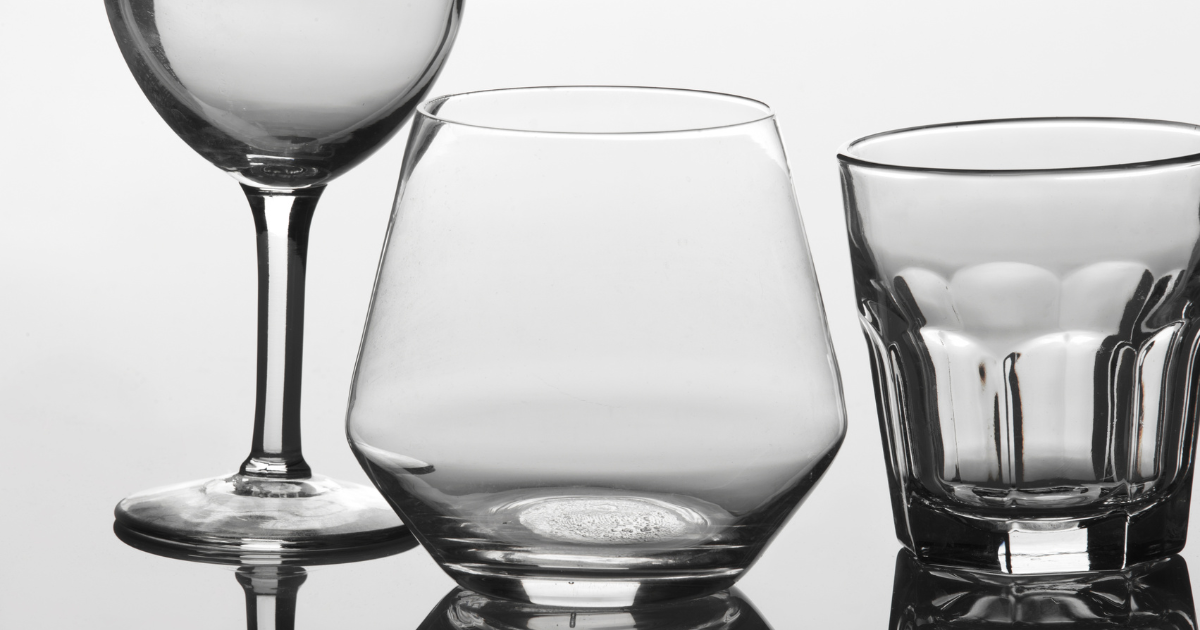
I’ve reached the point with certain crystal glasses where nothing is obviously wrong, but something no longer feels settled either. A small chip on the rim. A faint line that catches the light. The glass still works, still looks fine at a glance, yet the question lingers every time it comes out of the cabinet: should I still be using this?
That uncertainty is common with crystal because damage rarely arrives as a clear failure. Crystal doesn’t usually shatter without warning. It accumulates wear slowly, and the signs are often subtle enough to leave room for doubt. Stopping use can feel premature, but continuing can feel careless.
What makes this harder is that not all damage carries the same risk. Some flaws are cosmetic and stable. Others quietly change how the glass handles stress or contact. Without a way to separate those, it’s easy to either ignore real warning signs or retire glassware long before it needs to be retired.
This article is about making that judgment calmly. It looks at which types of damage actually matter for safety, how to think about continued use versus retirement, and how to set personal thresholds that remove ongoing second-guessing. The goal is not perfection, but confidence in knowing when enough is enough.
Why Damage Triggers Uncertainty With Crystal
Damage feels more consequential with crystal than with everyday glass, even when the actual risk is similar. Part of that comes from how crystal is made and used, and part of it comes from perception.
Crystal is thinner, more finely finished, and often reserved for occasions that already carry a sense of care. A small flaw stands out more because the glass was never meant to feel disposable. When something changes, it breaks the expectation of precision, which makes people uneasy even if the glass is still structurally sound.
There is also a visual component. Chips, lines, and surface changes catch light differently on crystal than on thicker glass. A flaw that might go unnoticed on a heavy tumbler can look dramatic on a thin rim, even when it does not meaningfully weaken the glass.
Another source of uncertainty is not knowing whether damage is static or active. Some defects are the result of a single event and never change again. Others are early signs of stress that can worsen with continued use. Without context, it is hard to tell which category a particular flaw falls into.
Finally, crystal often carries emotional or monetary value. That raises the stakes of the decision. Continuing to use a damaged glass can feel reckless, while retiring it can feel wasteful or sentimental. Understanding that tension is important, because the decision is rarely just technical. It is also personal.
Recognizing why damage feels more unsettling with crystal helps explain why clear decision rules matter. Without them, every small imperfection becomes a recurring source of doubt rather than a manageable condition.
Types Of Damage That Deserve Attention
Not all damage carries the same meaning, and treating every flaw as equally dangerous is what leads to unnecessary anxiety or, just as often, misplaced confidence.
Chips are the easiest to identify. When material is missing, especially along the rim, the key question is sharpness. A smooth, rounded chip that does not catch a finger or cloth is often stable. A chip with a sharp edge creates both a cut risk and a stress point where further cracking is more likely.
Cracks deserve closer scrutiny. Cracks that run through the wall of the glass or intersect the rim change how the glass handles force. Even if they are thin, they indicate a break in structural continuity. These are more concerning than surface-level marks because they can propagate under repeated stress.
Micro-cracks sit somewhere in between. They are often hard to confirm visually and may remain stable for long periods. Their significance depends on location, length, and exposure to heat or mechanical stress. A micro-crack isolated in a thicker area behaves very differently from one extending toward the rim.
Surface wear and cosmetic changes are another category entirely. Etching, dullness, or softened rims can affect appearance and feel without necessarily creating a safety issue. These changes matter for enjoyment, but they do not automatically mean a glass is unsafe to use.
What matters most is not the label, but the combination of location, sharpness, and change over time. Damage that creates edges, intersects stress points, or continues to evolve deserves more caution than damage that is smooth, isolated, and unchanged.
Understanding which flaws deserve attention allows you to respond proportionally instead of treating every imperfection as a reason to panic or ignore it entirely.
When Damage Becomes A Safety Issue
Damage becomes a safety issue when it changes how the glass interacts with your mouth, your hands, or everyday handling stress. Appearance alone is not the deciding factor. Function and contact are.
The most immediate concern is sharpness. Any damage along the rim that can catch a fingertip, cloth, or lip deserves caution. Sharp edges increase the risk of cuts and can also concentrate stress during use, making further breakage more likely.
Cracks that reach or cross the rim are another clear warning sign. The rim experiences the most force during normal use, from clinking, washing, and contact with teeth or surfaces. A crack in this area weakens the glass in a way that can lead to sudden failure rather than gradual wear.
Location matters just as much as severity. A small flaw in a thick base behaves very differently from the same flaw in a thin bowl or rim. Damage near stress points, such as the transition between bowl and stem, deserves more conservative judgment than damage in low-stress areas.
It also helps to think about how the glass is used. A damaged crystal glass used occasionally and handled carefully carries a different risk profile than one used daily or cleaned in a dishwasher. Increased handling and heat exposure raise the chance that an existing flaw will worsen.
When uncertainty remains, erring on the side of safety is reasonable. Crystal is not worth an avoidable injury. A more detailed discussion of safety thresholds and risk is covered in Is It Safe to Drink From Chipped or Cracked Glassware?, which helps clarify when continued use crosses from acceptable to unsafe.
How Micro-Cracks Change The Equation
Micro-cracks complicate the decision because they are often subtle and ambiguous. Unlike chips or obvious cracks, they don’t always announce whether they are harmless remnants of past stress or early signs of a developing problem.
What matters most is stability. A micro-crack that remains the same size and shape over time, especially when the glass is no longer exposed to heat cycling or mechanical stress, often stays benign. Many never progress further. In contrast, a micro-crack that lengthens, branches, or moves toward the rim is signaling increased vulnerability.
Heat plays an outsized role here. Dishwashers, hot rinses, and rapid temperature changes repeatedly stress the same weak point. Even when a dishwasher did not cause the original micro-crack, it can accelerate its growth. Removing that stress often stabilizes the defect and lowers ongoing risk.
Handling habits matter as well. Frequent clinking, stacking, or tight cabinet storage concentrates pressure at the crack tip. Reducing those forces can meaningfully change how a micro-crack behaves over time.
Because these cracks respond to conditions rather than simply aging on their own, monitoring is often more useful than guessing. A fuller explanation of how and why micro-cracks behave this way is covered in Can Micro-Cracks in Glassware Spread Over Time?, which helps distinguish stable imperfections from those that deserve retirement.
How Often To Reevaluate A Damaged Glass
Once damage is identified, the instinct is often to keep checking it. That usually increases anxiety without improving safety.
What helps more is periodic, intentional reevaluation. Looking at a damaged glass occasionally under good light allows you to notice meaningful changes without turning every use into a stress test. The goal is to detect movement, growth, or new sharpness, not to confirm that nothing has changed day to day.
Frequency should match use. A glass that is used often or cleaned frequently benefits from occasional checks. A glass that is rarely used or reserved for special occasions does not need constant attention. Over-inspection tends to create false urgency rather than actionable information.
Touch is just as important as sight. Running a fingertip or soft cloth gently along the rim can reveal sharpness or changes that are easy to miss visually. Any point that catches fabric or feels uneven deserves closer evaluation.
Establishing a simple inspection habit removes guesswork. Instead of wondering every time you reach for a glass, you know when and how you will reassess it. Practical guidance on inspection intervals and techniques is covered in How Often Should You Inspect Glassware for Damage?, which helps strike a balance between awareness and peace of mind.
A Conservative Decision Framework
Deciding whether to keep using damaged crystal becomes much easier when you rely on consistent rules rather than case-by-case emotion.
Start with contact risk. If damage affects the rim or creates sharpness, that alone may be enough to stop use. Safety at the point of contact matters more than appearance elsewhere.
Next, consider change over time. Stable flaws that do not worsen are different from defects that grow or shift. If damage is evolving, continued use carries increasing risk.
Then factor in use pattern. A glass used occasionally and handled gently can tolerate more imperfection than one used daily, washed frequently, or exposed to heat.
Finally, weigh replaceability and sentiment. Easily replaced glasses do not need generous risk tolerance. Sentimental or heirloom pieces may justify stricter limits or alternative use rather than everyday service.
Once you decide where your threshold sits, apply it consistently. That consistency removes the mental burden of repeated judgment calls and makes it easier to trust your decision.
When Retiring A Glass Is The Right Call
Some signals make the decision straightforward.
Sharp edges, cracks that reach the rim, visible crack growth, or changes that catch a fingertip or cloth are clear reasons to stop using a glass. These are not cosmetic issues. They affect safety and structural integrity.
There are also softer signals. If a glass causes hesitation every time you use it, that alone has value. Constant second-guessing often means the glass has crossed your personal comfort threshold, even if it hasn’t failed objectively.
Retirement does not have to mean disposal. Some damaged crystal can be repurposed for display, occasional low-risk use, or purely decorative roles. Others may simply be let go. Both choices are reasonable.
Erring on the side of safety is not wasteful. Glassware is meant to be used with confidence, not managed with ongoing doubt. When that confidence is gone, retiring the piece is often the most practical decision.
What To Take Away From All This
Damaged crystal does not automatically need to be retired, but it does deserve thoughtful judgment. The key factors are location, sharpness, stability, and exposure to ongoing stress.
Micro-cracks and small flaws often remain stable when heat and mechanical pressure are reduced. Others worsen under repeated use. Monitoring change over time provides far more useful information than reacting to appearance alone.
The most important takeaway is that safety decisions are about thresholds, not perfection. Once a glass crosses your comfort or safety line, continuing to use it offers little benefit and unnecessary risk.
Trusting that boundary makes glassware care calmer and more sustainable. You are no longer trying to save every piece. You are simply choosing when continued use still makes sense and when it does not.